Water Around the Furnace or AC Unit | Springfield HVAC Pros
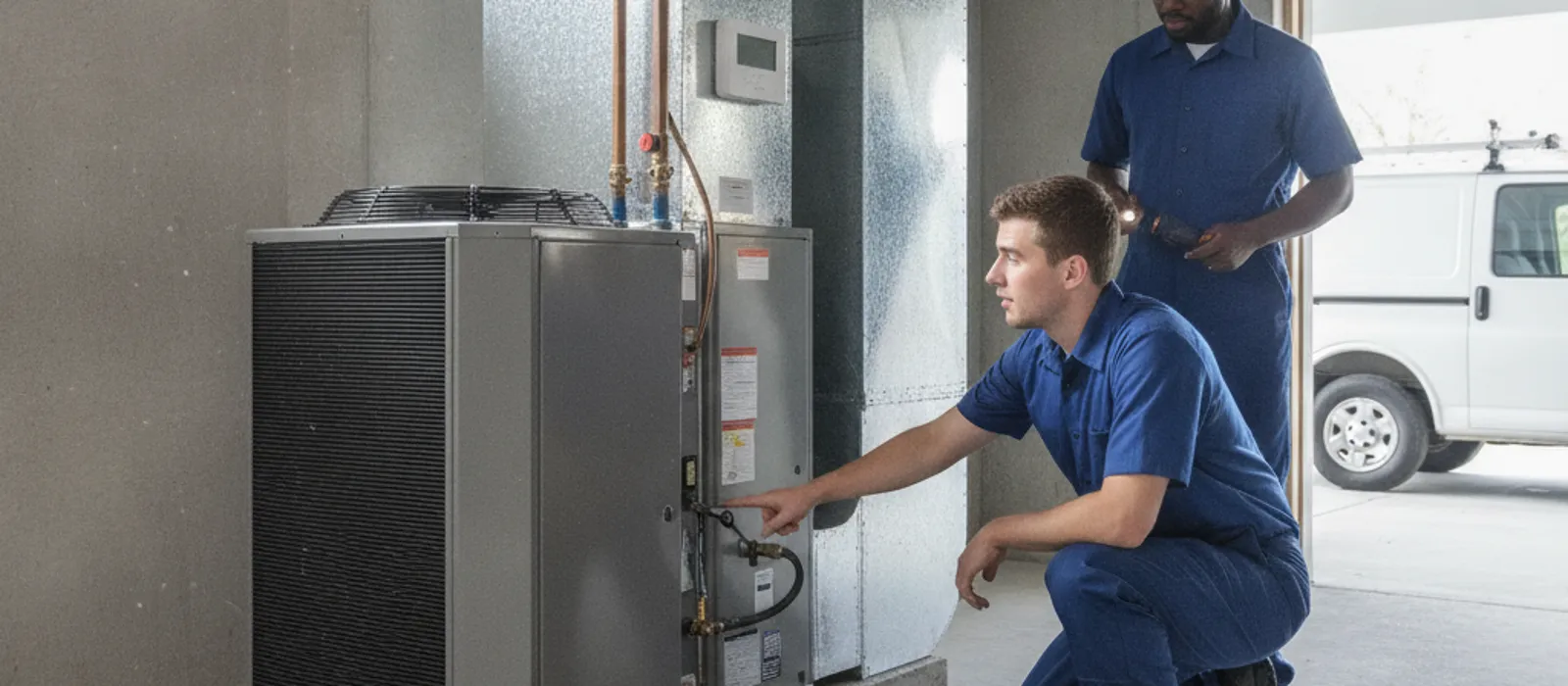
Springfield homeowners usually search for “water around HVAC unit” after the system has already changed behavior: a room will not cool, the furnace starts and stops, water appears near equipment, a breaker trips, or the thermostat stops matching what the house feels like. This expanded guide is written for that practical moment. It combines local service experience with guidance from ENERGY STAR: Heat & Cool Efficiently, ENERGY STAR: When Is It Time to Replace?, CPSC: Carbon Monoxide Fact Sheet so the next step is based on evidence, not guesswork.
The advice below is not a substitute for an on-site diagnosis. HVAC systems combine electrical parts, airflow, refrigerant-side components, combustion equipment, drainage, ductwork, controls, and building conditions. A symptom in a Springfield home near mature trees, a damp crawlspace, a hot attic, or a finished basement can have a different cause than the same symptom in a newer subdivision home in Nixa, Ozark, Republic, Battlefield, Willard, or Rogersville.
Quick Answer
Start with the safest visible checks: thermostat settings, filter condition, open supply and return vents, obvious outdoor-unit blockage, visible water, unusual odors, new noises, and whether the equipment starts normally. Stop troubleshooting and request furnace repair if the issue involves repeated breaker trips, burning smells, suspected carbon monoxide, standing water near electrical components, persistent no-heat or no-cool conditions, or a system that repeatedly shuts itself down.
What the Research Says
- ENERGY STAR: Heat & Cool Efficiently: ENERGY STAR recommends annual tune-ups and regular filter changes for heating and cooling equipment.
- ENERGY STAR: When Is It Time to Replace?: ENERGY STAR lists frequent repairs, rising energy bills, comfort problems, humidity issues, dust, and noise as reasons to evaluate equipment.
- CPSC: Carbon Monoxide Fact Sheet: CPSC warns never to ignore a CO alarm and recommends CO alarms on every level and outside sleeping areas.
Field Guide Table
| Springfield homeowner clue | What to check first | When to call |
|---|---|---|
| No heat | Confirm thermostat mode, filter condition, power switch, and whether the furnace starts then locks out. | If ignition fails repeatedly, the blower behaves oddly, or safety switches trip. |
| Cold air from vents | A furnace can blow cold air during lockout, overheating, ignition failure, or thermostat/fan setting problems. | If cold air continues after a normal startup cycle. |
| Noise or short cycling | Document when the noise happens and whether cycles end before the home warms up. | If noise is new, metallic, electrical, or paired with burning smells. |
Why This Topic Matters in Springfield Homes
Springfield weather makes HVAC problems feel inconsistent. Humid summer air can make a house feel warm even when the thermostat is close to its target. Sudden cold snaps can expose ignition, airflow, venting, and filter problems that stayed hidden during mild weather. Heavy rain can make basement and crawlspace moisture more obvious, and attic heat can make second-floor comfort complaints worse.
That local context matters because a single symptom does not prove a single cause. Weak cooling might involve a dirty filter, low airflow, duct leakage, a drainage problem, a frozen coil, thermostat location, or equipment that is no longer sized well for the home. Furnace trouble can start with a simple maintenance issue, but it can also involve ignition, gas, venting, electrical, blower, or safety-control problems. Good HVAC work starts by narrowing the cause before recommending a repair.
Safe Checks Before You Call
Homeowners can do a few useful checks without opening equipment panels or touching energized components. Confirm the thermostat is in the right mode and set point. Check whether the filter is dirty, buckled, missing, or installed in the wrong direction. Make sure supply registers and return grilles are not blocked by furniture, rugs, curtains, or storage boxes. Outside, look for leaves, weeds, snow, ice, or debris restricting airflow around the condenser or heat pump.
Write down what changed and when. A short timeline helps more than a long guess: “the outdoor unit hums but the fan does not spin,” “the furnace runs for a minute and stops,” “the drain pan keeps filling,” or “the upstairs gets humid after sunset” gives a technician a better starting point than “the system is broken.” If you see water, take photos before cleanup when it is safe. If you smell burning, hear arcing, see soot, or suspect carbon monoxide, stop using the equipment and prioritize safety.
What a Technician Should Verify
A useful HVAC visit should connect the visible symptom to a measured or observed cause. Depending on the topic, that may include temperature split, static pressure, blower operation, condensate drainage, coil condition, thermostat wiring, capacitor and contactor condition, ignition sequence, flame signal, venting, duct leakage clues, filter fit, refrigerant-side indicators, or equipment age.
Ask for plain-language findings. You do not need every technical detail, but you should understand what was checked, what failed, what is still uncertain, and what happens if you wait. A good written estimate separates the urgent repair from maintenance, optional improvements, and long-term replacement planning.
Common Mistakes to Avoid
Do not keep resetting a breaker or safety switch. Repeated shutdowns usually mean the equipment is protecting itself or the home. Do not thaw a frozen coil and call the problem solved without asking why it froze. Do not pour chemicals into a condensate line without knowing where the blockage or overflow is happening. Do not assume a thermostat replacement will fix every comfort complaint. Controls matter, but airflow, ducts, equipment performance, and building conditions matter too.
Another common mistake is comparing estimates only by the headline number. Compare the diagnosis, scope, parts assumptions, labor, exclusions, warranty, cleanup, and whether the contractor explains what evidence supports the recommendation. The lowest estimate can be the right one when the problem is narrow. It can also be incomplete when it skips the root cause.
Repair, Maintenance, or Replacement Planning?
Maintenance is most useful when the equipment is fundamentally operating but dirty, restricted, overdue, or drifting out of adjustment. Repair is usually the right conversation when a specific component, drain, control, blower, ignition sequence, or electrical part has failed. Replacement planning becomes more realistic when the system is older, repairs repeat, parts become hard to source, comfort remains poor after reasonable repairs, or safety concerns appear.
ENERGY STAR recommends professional evaluation when equipment needs frequent repairs, energy bills rise, rooms are too hot or too cold, humidity problems appear, dust increases, or the system becomes noisy. That does not mean replacement is automatic. It means the estimate should explain whether the current repair is likely to restore reliable comfort or whether it is only buying a little time.
Questions to Ask Before Approving Work
- What evidence points to this diagnosis?
- Did you check airflow, filtration, thermostat behavior, and duct clues before recommending parts?
- Is this an urgent repair, a maintenance issue, or a replacement-planning concern?
- What is included in the written estimate, and what is excluded?
- What could change after work starts?
- What should I monitor after the repair?
Local Next Step
If this issue is active in a Springfield-area home, gather photos, note the timeline, and request a diagnostic visit. For urgent no-heat, no-cool, water, electrical, combustion, or safety symptoms, call instead of waiting on a form. Springfield HVAC Pros can help with HVAC repair, AC repair, furnace repair, and maintenance planning.